




Dealing with a leaking faucet can be a nuisance for any homeowner, especially when the problem persists despite numerous attempts to fix it. In Oklahoma City, the challenge of identifying the root cause of a leak can be as unpredictable as the weather. That’s where a thorough leaking faucet diagnosis comes into play, offering a systematic approach to uncovering and addressing the issue. Understanding the common causes and knowing when to replace parts can save both time and money.
A leaking faucet diagnosis isn’t just about tightening a few screws or replacing a washer. It’s a detailed inspection that begins with identifying the type of faucet and its unique mechanisms. Whether you’re in Yukon or the heart of Oklahoma City, the process remains the same. Quick checks can reveal if the issue is due to worn-out seals, a malfunctioning O-ring, or a corroded valve seat.
For many homeowners, the thought of dismantling a faucet can be daunting. However, with the right guidance, pinpointing the leak’s source can be straightforward. Simple steps can often resolve the most common issues, preventing the need for extensive repairs. Knowing when a DIY fix is sufficient and when to call in professionals is crucial.
Ultimately, a leaking faucet diagnosis is about more than just fixing a drip. It’s about understanding the health of your home’s plumbing system. Regular maintenance and timely interventions can extend the lifespan of your fixtures, ensuring that water flows smoothly and efficiently in every tap. With the right approach, homeowners can tackle leaks confidently, keeping their homes in top condition.
Understanding the Basics of Leaking Faucet Diagnosis
Understanding the basics of a leaking faucet diagnosis begins with recognizing the signs that indicate a problem. In Oklahoma City, homeowners might notice an increase in their water bill, the sound of dripping water, or water stains around the faucet. These symptoms suggest that it’s time to take a closer look at your plumbing fixtures. Early detection is key to preventing more significant issues down the line.
Once you’ve identified that there’s a leak, the next step is to determine the type of faucet you have. This knowledge is crucial because different faucets, such as compression, cartridge, ball, and disc, require unique approaches for repair. For instance, a compression faucet often suffers from worn-out rubber washers, whereas a cartridge faucet might have issues with the O-ring. Identifying your faucet type allows for a more targeted and effective diagnosis.
Conducting a few quick checks can often reveal the root cause of the leak. Homeowners in Yukon can easily remove the faucet handle to inspect the condition of the O-ring and the valve seat. If these parts appear damaged or worn out, replacing them might resolve the leak. This step is a simple yet vital component of the leaking faucet diagnosis process, ensuring you address the correct problem.
However, not all leaks are straightforward to fix, and sometimes the issue may lie deeper within the plumbing system. If after replacing the suspected parts the faucet continues to leak, it might be time to consider a professional assessment. Plumbers have the tools and expertise to diagnose complex issues that go beyond the faucet itself. Remember, accurately diagnosing and fixing a leaking faucet not only saves water but also protects your home from potential water damage.
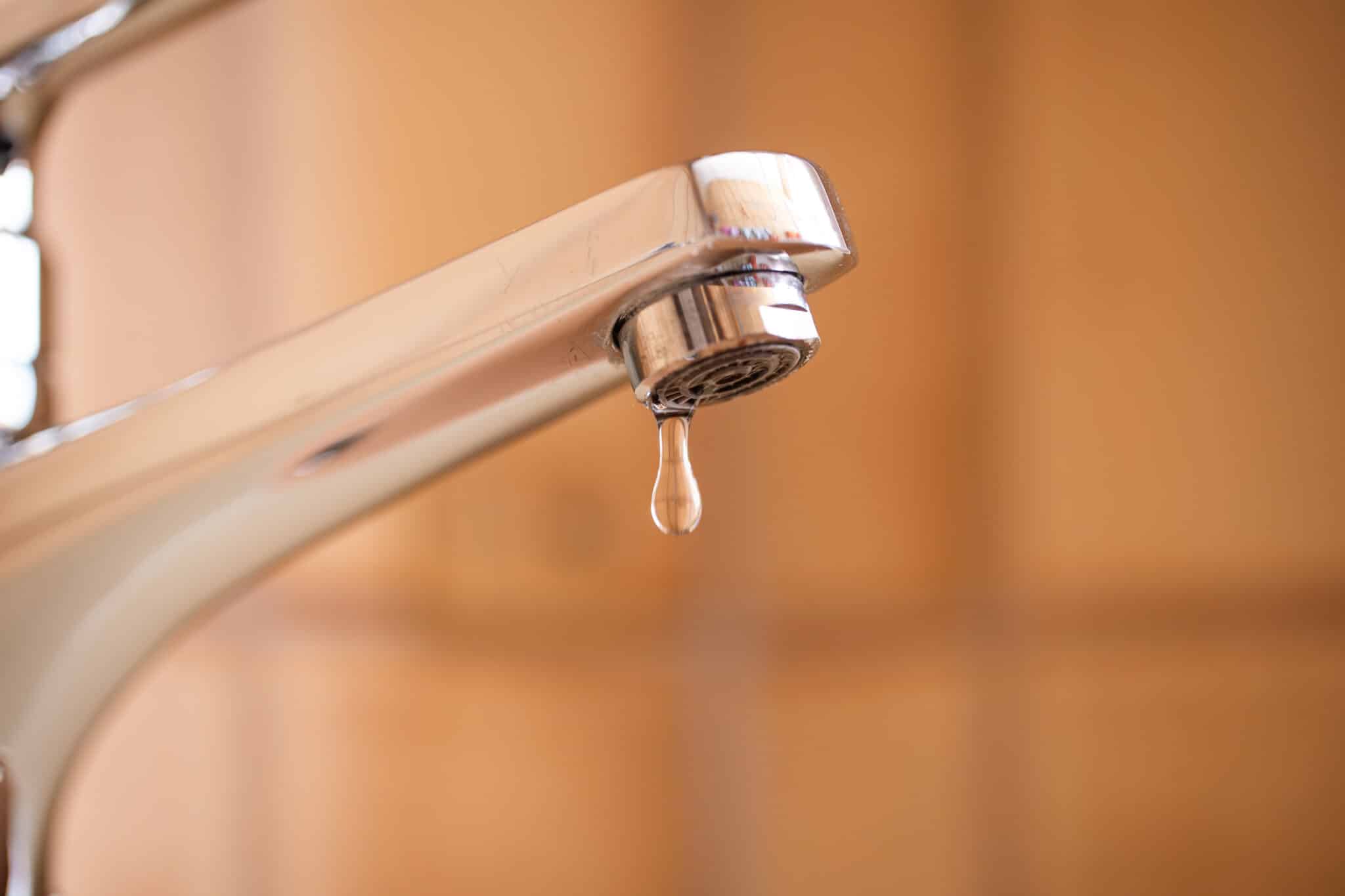
Common Causes of Faucet Leaks
Exploring the common causes of faucet leaks is essential in the leaking faucet diagnosis process. In Oklahoma City, one frequent culprit is the deterioration of internal parts, such as washers and gaskets. These components can wear out over time due to constant use and exposure to water minerals. Identifying these worn parts early can prevent more significant issues down the line.
Another common issue is the buildup of sediment and mineral deposits, especially in areas with hard water. This buildup can affect how well the faucet’s valve seat and other internal mechanisms function. Homeowners in Yukon can often address this by cleaning the affected parts, which may restore proper function and stop the leak. Regular maintenance checks can help catch these problems before they lead to leaks.
Improper installation or a mismatch of faucet parts can also lead to leaks. Sometimes, parts from different manufacturers may not fit together perfectly, causing water to escape. Ensuring that all components are compatible and correctly installed is crucial for the faucet to operate without leaks. This attention to detail can save homeowners from unnecessary repairs and water loss.
Lastly, high water pressure in the plumbing system can cause leaks in faucets. When the pressure is too strong, it can force water through tiny openings, leading to a constant drip or leak. Installing a pressure regulator can help manage this issue, protecting your home’s plumbing and preventing leaks. Keeping an eye on water pressure can be an important part of a leaking faucet diagnosis, ensuring everything runs smoothly.
How to Conduct a Simple Leak Test
Conducting a simple leak test is a crucial step in the leaking faucet diagnosis process. Homeowners in Oklahoma City can start by drying the area around the faucet thoroughly. Once dry, place a piece of paper towel or a small container under the faucet. If any water appears on the paper or in the container after a few hours, this indicates a leak, confirming the need for further investigation.
Next, it’s important to listen for the sound of running water when all water sources in the house are turned off. This method is especially useful during quiet hours. If you hear water moving through the pipes in Yukon, this could signal a leak not just in the faucet but possibly elsewhere in your plumbing system. Identifying these sounds early can prevent larger issues from developing.
Another effective technique involves checking the water meter before and after a period of no water use. First, make sure all water inside and outside the home is turned off. Note the reading on the meter, then check it again after a few hours. If the meter shows water usage during this time, there may be a leak in the system that requires attention.
Finally, applying food coloring to the water tank of your toilet can help identify silent leaks. Add a few drops to the tank, wait for about 30 minutes without flushing, and then check the toilet bowl. If the colored water has made its way into the bowl, this indicates a leak between the tank and the bowl. This simple test, while not directly related to faucets, is part of a comprehensive leaking faucet diagnosis, ensuring all potential sources of water waste are addressed.
Tools You’ll Need for DIY Faucet Repairs
When embarking on a DIY leaking faucet diagnosis, having the right tools at your disposal simplifies the process significantly. For homeowners in Oklahoma City, a basic toolkit should include a wrench, screwdrivers, and pliers, which are essential for most faucet repairs. These tools allow you to dismantle the faucet safely and access the internal components that may need replacement. Additionally, keeping Teflon tape on hand can help reseal threads, preventing future leaks.
Understanding how to use these tools effectively is just as important as having them. For instance, using a wrench to gently remove the faucet handle without causing damage requires a steady hand. In Yukon, where water quality may contribute to sediment buildup, a small brush or cloth might also be necessary for cleaning out debris from the faucet’s interior. This step ensures that once the repair is done, the faucet functions smoothly without any obstruction.
Sometimes, the repair might require specific parts such as O-rings, washers, or valve seats, which are readily available at local hardware stores. Identifying the exact size and type of the part needed for your faucet can be crucial. Taking the damaged part with you when shopping can ensure you get a perfect match, avoiding the frustration of multiple trips. This preparation is a key part of the leaking faucet diagnosis, ensuring the repair is completed efficiently.
Lastly, patience and attention to detail go a long way in DIY faucet repairs. Rushing through the process can lead to missed steps or improper reassembly, which might result in further leaks. For homeowners in both Oklahoma City and Yukon, taking the time to double-check each step and ensuring everything is tightened correctly can save both water and effort in the long run. With the right tools and approach, leaking faucet diagnosis and repair can be a manageable task for any DIY enthusiast.

Step-by-Step Guide to Fixing a Leaky Faucet
Starting the repair process begins with turning off the water supply to your faucet. This crucial step prevents water from flowing while you work, ensuring a dry area for a more straightforward repair. Homeowners in Oklahoma City will find the shut-off valve under the sink or in the basement. Once the water is off, you can proceed with confidence, knowing you’re prepared for the next steps.
Next, it’s time to dismantle the faucet, a task that requires careful attention to detail. Using the tools mentioned earlier, remove the faucet handle by loosening the screws. For residents in Yukon, remember to keep all removed parts in a safe place to avoid losing any small components. This organized approach not only simplifies the process but also helps in reassembling the faucet later.
With the faucet handle removed, inspect the internal parts for any signs of wear or damage. Look for common culprits like worn-out washers or O-rings, which are often the source of leaks. Replacing these parts is usually straightforward, ensure you’ve got the correct size and fit for your faucet. This attention to detail is key in the leaking faucet diagnosis, leading to a successful repair.
Finally, reassemble the faucet, reversing the disassembly process, and turn the water supply back on. Check for leaks by turning the faucet on and off several times, observing if any water escapes. If the repair was successful, your faucet should no longer leak, marking the end of your leaking faucet diagnosis and repair journey. Remember, patience and careful work can save you from future plumbing issues, keeping your home’s water system in excellent condition.
When to Replace Your Faucet’s Components
Knowing when to replace your faucet’s components is a crucial step in the leaking faucet diagnosis process. In Oklahoma City, homeowners might ponder whether a simple repair will suffice or if parts need replacing. Typically, if components like washers, O-rings, or valve seats show significant wear or damage, it’s time for them to be swapped out. These parts are critical for creating a tight seal and preventing water from leaking.
In Yukon, the water’s mineral content can accelerate the deterioration of faucet parts. This makes regular inspection a good practice, helping to identify when replacements are necessary. If after cleaning and reassembling your faucet the leak persists, this is a clear sign that certain parts need to be replaced. It’s essential to address these issues promptly to avoid further damage and water waste.
Choosing the right replacement parts is another important aspect of the leaking faucet diagnosis. It’s not just about finding a part that fits, compatibility with your faucet’s brand and model ensures optimal performance. Homeowners should take the damaged part to their local hardware store to find an exact match. This step eliminates guesswork and ensures the repair is effective and lasting.
Finally, after replacing the necessary components, it’s important to test the faucet for leaks. Turn on the water supply and observe the faucet’s operation, no water should escape from the assembly. If the faucet functions smoothly without leaking, you’ve successfully completed the leaking faucet diagnosis and repair. This not only saves water but also extends the life of your faucet, offering peace of mind and efficiency in your home’s plumbing system.
Tips for Maintaining Your Faucet to Prevent Leaks
Maintaining your faucet properly can significantly reduce the chances of leaks, making a leaking faucet diagnosis less frequent. In Oklahoma City, regular cleaning plays a crucial role in this process. Removing mineral buildup and debris ensures parts move smoothly and seal correctly. This proactive approach can prevent the deterioration that often leads to leaks.
Inspecting your faucet for wear and tear should become a routine part of your home maintenance schedule. Homeowners in Yukon can benefit from checking O-rings and washers periodically for signs of damage. If these components begin to show wear, replacing them promptly can avert a leak. This simple step can save a lot of time and effort in the long run.
Educating yourself on your faucet’s specific model and its parts can also aid in early detection of potential issues. Knowing what each part does and how it should look when in good condition allows for quicker identification of problems. This knowledge makes a leaking faucet diagnosis more efficient and ensures repairs are accurate and effective.
Finally, consider installing water softeners if you live in an area with hard water. Hard water accelerates the wear on faucet components, leading to leaks. A water softener can extend the life of your faucet, making it a wise investment for your home’s plumbing health. This preventative measure can keep your faucets running smoothly, reducing the need for frequent repairs.
Deciding Between DIY Repairs and Professional Help
When faced with a leaking faucet, homeowners in Oklahoma City often find themselves at a crossroads: to tackle the issue with a do-it-yourself approach or to call in professional help. A leaking faucet diagnosis can initially seem manageable, but the complexity of the problem may not be apparent until you’re deep into the repair process. DIY repairs can be cost-effective and rewarding, offering a sense of accomplishment. However, they require a certain level of skill and understanding of plumbing systems to ensure the job is done correctly.
On the other hand, professional plumbers bring expertise and specialized tools to the table, which can be crucial for more complex issues. In Yukon, for example, the mineral content in water might contribute to more stubborn leaks, necessitating professional intervention. While hiring professionals involves a cost, their ability to diagnose and fix the issue quickly can save homeowners time and prevent further damage. Deciding between these two options depends on the severity of the leak, the homeowner’s confidence in their repair skills, and the potential for recurring issues.
Understanding when a problem is beyond your skill level is key to a successful leaking faucet diagnosis. If after an initial assessment and attempt at repair the problem persists, it might be time to consult a professional. This is especially true for leaks that are hidden or involve the main water line, where DIY repairs could lead to bigger problems. Recognizing your limits not only ensures the longevity of your plumbing but also safeguards your home against water damage.
Ultimately, the decision to pursue DIY repairs or professional help should be informed by a careful evaluation of the situation. Homeowners should consider the complexity of the leak, their own abilities, and the potential costs involved. Whether you’re in Oklahoma City or Yukon, a thorough leaking faucet diagnosis is the first step towards making an informed choice. By weighing the pros and cons, homeowners can take the path that best suits their needs, ensuring their faucets are fixed efficiently and effectively.
Frequently Asked Questions
What causes a faucet to start leaking?
Several factors can lead to a faucet leaking, including worn-out washers or O-rings. Over time, these parts may deteriorate, causing water to escape. Hard water can also contribute by building up minerals that interfere with the seal. Regular wear and tear from daily use is another common culprit behind leaks.
How does leaking faucet diagnosis work?
Leaking faucet diagnosis starts with identifying where the leak is coming from. You can check for worn-out parts like washers or O-rings. It’s also important to look for mineral buildup from hard water. Finally, consider the faucet’s age, as older models are more prone to leaks.
Can I fix a leaking faucet myself?
Yes, many homeowners can tackle a leaking faucet on their own with the right tools and a bit of patience. First, identify the source of the leak, which often involves checking for worn-out parts. Next, gather the necessary replacement parts and tools for the job. Remember, if the task seems too complex, Benjamin Franklin Plumbing in Oklahoma City, OK, is always ready to help.
What tools are needed for leaking faucet diagnosis?
For a successful leaking faucet diagnosis, a few essential tools are needed. Start with an adjustable wrench and a screwdriver set for basic disassembly. A flashlight can help you see under the sink and spot hidden leaks. Lastly, plumber’s tape is handy for resealing threads once you’re done checking or replacing parts.
When should I call a plumber for a leaking faucet?
If your leaking faucet diagnosis doesn’t pinpoint the problem, it’s time to call a plumber. Persistent leaks or complex issues, like damage inside the faucet, require professional skills. Benjamin Franklin Plumbing in Oklahoma City, OK, has experts ready to assist. They ensure a precise fix, preventing further water waste and damage.