





Fall in Oklahoma City feels like a welcome breather. The blistering days of July and August fade into cooler evenings, football season kicks off, and sprinklers click on less often as lawns slow their growth. But while the pace of life shifts, water usage remains a constant focus for city leaders and homeowners alike.
That’s because Oklahoma City sits in a part of the country where water is both precious and precarious. The region cycles between intense storms and prolonged drought. In dry years, reservoirs like Lake Hefner, Canton Lake, and Atoka Lake can drop dramatically. In wet years, flash floods create runoff challenges and overwhelm infrastructure. Balancing these extremes takes planning — and homeowners play a critical role.
Each fall, the City of Oklahoma City Utilities Department reminds residents to adjust watering habits, check for leaks, and think ahead to the first freeze. Conservation isn’t just about protecting the environment. It directly lowers monthly bills, reduces strain on city infrastructure, and ensures there’s enough supply when dry seasons return.
This guide takes a comprehensive look at how Oklahoma City homeowners can save water this fall. We’ll explore leak detection, smart irrigation, fixture upgrades, seasonal plumbing prep, and the latest technology available. Along the way, we’ll tie these steps to local context — drought history, OKC’s unique water challenges, and the habits that actually work for households here. By the end, you’ll have a clear plan for cutting waste and costs while keeping your home comfortable.
Why Water Conservation Matters in Oklahoma City
Water conservation isn’t just a feel-good idea in OKC. It’s a necessity rooted in the city’s history, geography, and future growth. Every homeowner plays a part, whether they realize it or not, because the region’s relationship with water is shaped by cycles of plenty and scarcity that repeat again and again.
Drought Cycles: Feast and Famine
Oklahoma’s climate is defined by extremes. We’ve all lived through years when the rain won’t seem to stop, when creeks flood and the North Canadian River swells to its banks. Then, with little warning, the pattern flips and we go months without meaningful rainfall. This “boom and bust” cycle is simply how the Great Plains works — and it leaves water systems constantly playing catch-up.
The drought of 2011–2012 was one of the worst in state history. Reservoirs across western and central Oklahoma dropped to alarmingly low levels. Canton Lake, one of Oklahoma City’s key water sources, fell so far that city officials made the controversial decision to pump emergency water from Canton into Lake Hefner to protect municipal supply. Farmers lost billions in crops and cattle, small towns hauled water in by truck, and residents saw brown lawns and cracked soil become the norm.
Even in years that don’t make the history books, the balance is fragile. In 2022, drought conditions returned, and state climatologists warned of stressed reservoirs and reduced crop yields. For everyday homeowners, this often doesn’t show up as a dry lakebed but as city-issued watering restrictions — odd/even day schedules for sprinklers, or limits on outdoor watering hours. In some cases, it simply shows up as a higher water bill as the city works to stabilize supply.
Population Growth and Rising Demand
At the same time, Oklahoma City is growing. The metro is one of the fastest-expanding areas in the region, with new subdivisions stretching into Edmond, Mustang, Yukon, and Moore. Every new household means more showers, more toilets, more dishwashers, and more lawns to keep green. Demand for water rises year after year, even when rainfall doesn’t cooperate.
Infrastructure can keep up to a point, but conservation by individual households is what ensures resilience on a citywide scale. Think of it like a team sport: one person’s choice to fix a leaking toilet or adjust their sprinkler schedule might feel small, but multiply that by hundreds of thousands of homes, and the difference becomes measurable at the reservoir level.
The Cost Factor for Homeowners
For residents, water conservation has a very direct financial impact. Water and sewer bills are tied to usage, and Oklahoma City rates are structured so heavier users pay more. A household that trims 15–20% off monthly consumption through simple steps — fixing leaks, installing efficient fixtures, adjusting irrigation — can realistically save $200–400 a year.
Multiply that across tens of thousands of households, and the city as a whole benefits. Reduced demand helps stabilize rates, delays costly infrastructure expansions, and creates a buffer during drought. Conservation isn’t just about “using less” — it’s about using wisely so both your wallet and the community come out ahead.
Shared Responsibility
In short: saving water in Oklahoma City isn’t optional. It’s not about guilt or deprivation. It’s a practical response to a resource we all share. Each drop saved at the household level stretches supply further for everyone — from families in Moore watering their lawns to restaurants in Bricktown serving dinner to farmers in Canadian County relying on irrigation.
By treating conservation as part of the local culture, OKC can continue to grow and thrive without facing the severe shortages that plague other regions. It’s not just the city’s job to manage supply; it’s every homeowner’s role to steward demand.
Step One: Detect and Fix Hidden Leaks
The first step in water conservation is eliminating waste you don’t even see. National studies show that the average household loses 10,000 gallons of water per year to leaks. In Oklahoma City, with average water/sewer rates of around $11.50 per 1,000 gallons, that’s over $100 down the drain annually.
Common Household Leaks
- Running toilets: Often caused by a worn flapper valve. A silent leak can waste up to 200 gallons per day.
- Dripping faucets: That slow, steady drip adds up to 3,000 gallons per year.
- Outdoor spigots: Hoses left attached can crack washers and leak unnoticed.
- Irrigation systems: Underground lines may leak for weeks before homeowners notice.
How to Check for Leaks
- Shut off all faucets and appliances.
- Read your water meter.
- Wait two hours without using water.
- Check the meter again. If it’s moved, you have a leak.
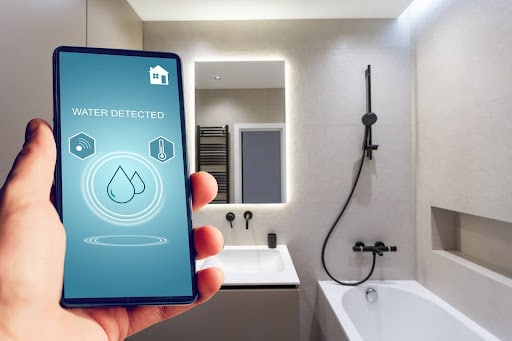
For extra certainty, some OKC homeowners install smart leak detectors near toilets, sinks, and appliances. These devices send alerts when they sense moisture.
If you’re not confident in tracking leaks yourself, booking a plumbing inspection in Oklahoma City is one of the best investments you can make before winter.
Smarter Lawn and Garden Care
Outdoor irrigation is the single largest source of residential water use in OKC. In the peak of summer, lawns can account for 50% or more of household demand. By fall, grass growth slows, but many homeowners forget to adjust their schedules. That means gallons wasted every week.
Best Practices for Fall Watering
- Water deeply, less often. This encourages deep root growth and reduces evaporation.
- Follow the “1 inch per week” rule. Measure rainfall and supplement only when needed.
- Water in the early morning. Cooler temperatures reduce evaporation.
- Shut off automatic sprinklers after the first frost. Cool-season grasses don’t need regular irrigation in winter.
Smart Irrigation Systems
These systems use real-time weather data and soil sensors to adjust watering schedules. If it rains on Tuesday, your sprinklers won’t run Wednesday.
The City of OKC has encouraged adoption of these systems through rebates and conservation programs in past years. Check the OKC Utilities conservation programs page for current offerings.
Landscaping Choices
Lawns aren’t the only option. Native plants like switchgrass, coneflowers, and red yucca thrive in Oklahoma’s climate while requiring less water. Many homeowners are adopting “xeriscaping” principles for portions of their yard — decorative stone, drought-tolerant shrubs, and efficient drip irrigation.
Upgrade Fixtures for Immediate Savings
Bathrooms account for more than half of indoor water use in the average OKC home. That makes toilets, showers, and faucets the fastest places to save. Old fixtures still work, but they burn through water like an old truck guzzles gas. Modern models deliver the same comfort with a fraction of the waste.
Toilets: The Biggest Saver
- Old models: 3.5–5 gallons per flush.
- High-efficiency models: 1.28 gallons per flush.
- Dual-flush toilets: Half-flush for liquids, full for solids.
A family of four can save 13,000 gallons a year by swapping out old toilets. That’s over $100 in savings annually, with most models paying for themselves in just two years. Bonus: buyers in areas like Gatewood or Mesta Park notice updated fixtures, making your home more marketable.
Showerheads: Small Change, Big Results
- Standard: 2.5 gallons per minute (25 gallons in a 10-minute shower).
- Low-flow: 1.5–2.0 gallons per minute.
Switching saves about 2,900 gallons per year for a household of four. Modern low-flow designs use aeration, so you keep the water pressure without wasting gallons.
Faucets: The Quick Win
- Aerators cost $5.
- Cut faucet water use by ~30% with no noticeable difference.
- Saves hundreds of gallons per year just from everyday routines like brushing teeth and rinsing dishes.
ROI Snapshot
- Toilets: $150–$300 → saves $100+/year. Payback in ~2 years.
- Showerheads: $20–$50 → saves $30–$50/year. Payback in <1 year.
- Aerators: $5 → saves $10–$20/year. Payback in months.
Together, these upgrades can cut indoor water use by 20–30%, lowering bills and boosting resale value — especially in older OKC neighborhoods like Gatewood or Mesta Park, fixture upgrades are often overdue.
Appliance Habits That Make a Difference
Dishwashers and washing machines are the next biggest water users. Even without buying new models, habits matter.
- Run only full loads. Half-loads use nearly as much water as full.
- Use eco or quick cycles. These use less water and energy.
- Skip pre-rinsing dishes. Modern dishwashers are designed to handle it.
ENERGY STAR-rated dishwashers and washers save 3,000–5,000 gallons per year compared to older models.
Seasonal Plumbing Prep That Conserves Water
As temperatures drop, preventing pipe bursts becomes critical. A burst pipe doesn’t just cause property damage — it wastes hundreds of gallons of treated water in minutes.
Steps for OKC Homeowners
- Disconnect hoses before the first freeze.
- Drain irrigation lines in October.
- Insulate outdoor spigots with covers.
- Keep garage doors closed during cold snaps to protect plumbing inside.
These simple actions protect both your home and the city’s water supply.
Cost Savings: What You Can Expect
Let’s do the math for an average Oklahoma City household:
- Leak repairs: Save ~10,000 gallons ($115 per year).
- Fixture upgrades: Save 15,000–20,000 gallons ($175–$230 per year).
- Smart irrigation: Save 8,000–12,000 gallons ($90–$140 per year).
- Appliance habits: Save 3,000–5,000 gallons ($35–$60 per year).
Together, these steps can realistically save $400–500 annually — without major lifestyle changes.
Smart Technology for Water Management
Homeowners who love tech (or who travel often) should consider smart water systems.
- Whole-home monitors: Track usage in real time and alert you to leaks.
- Automatic shutoff valves: Stop water when leaks are detected.
- App control: Shut off water from your phone if a pipe bursts while you’re away.
These systems cost $300–1500 upfront but can prevent thousands in damage.

Your OKC Fall Conservation Checklist
- Inspect faucets, toilets, and irrigation for leaks.
- Schedule a plumbing inspection.
- Adjust irrigation to once a week or less.
- Replace one fixture with a low-flow model.
- Disconnect hoses and insulate spigots.
- Run full loads of laundry and dishes.
- Explore smart leak detectors or whole-home monitors.
- Check the Utilities Department site for rebates.
FAQ: Water Conservation in Oklahoma City
Does a dripping faucet really waste much water?
Yes. Even one drip per second adds up to over 3,000 gallons a year. That’s enough to fill a backyard pool and costs over $30 annually in OKC.
What’s the most common water waster in homes?
Running toilets. They can silently waste hundreds of gallons per day. Replacing a flapper costs under $20 and saves hundreds annually.
Do smart irrigation systems save money?
Yes. They prevent sprinklers from running after rain and adjust schedules to weather. Many OKC homeowners cut outdoor usage by 30–40%.
Is it worth upgrading to low-flow showerheads?
Absolutely. They cost $20–30, install in minutes, and save thousands of gallons per year without noticeable loss of pressure.
Can the city fine me for overwatering?
During drought restrictions, yes. OKC has enforced odd/even watering days and limited irrigation schedules in past years.
Do smart water monitors catch small leaks?
Yes. They can detect continuous flows as low as 0.1 gallons per minute and alert you instantly.
How often should I have my plumbing inspected?
Once a year is ideal, especially before winter. It’s the easiest way to catch leaks and pressure issues early.
What’s the fastest way to cut water use?
Fix leaks and replace old toilets. Together, those two steps can reduce usage by 25%.
Does the City of OKC offer rebates?
Yes, periodically for irrigation upgrades and efficient fixtures. Check the OKC Utilities Department site for details.