
When your toilet keeps running, it’s often a sign that the toilet fill valve is acting up. This small but crucial component is responsible for controlling the flow of water into your toilet tank after each flush. Homeowners in Oklahoma City have faced this issue, just like those in Edmond and Yukon, indicating it’s a common problem across regions. Understanding how the toilet fill valve works is the first step toward troubleshooting.
Common failure symptoms include a toilet that won’t stop running, a noisy tank, or a toilet that takes too long to fill. These signs suggest it might be time to adjust or replace your toilet fill valve. Fortunately, there are pro-recommended steps that can help you tackle these issues effectively. This ensures your toilet returns to optimal functionality without unnecessary water wastage.
Adjusting the toilet fill valve can often resolve the problem without the need for a complete replacement. This process involves assessing the valve’s current settings and making precise adjustments to ensure the water level is correct. Residents in Yukon and Edmond have successfully employed these adjustments, saving time and money. It’s a testament to the effectiveness of simple troubleshooting methods.
However, if adjustments don’t fix the issue, replacing the toilet fill valve might be necessary. This is a straightforward task that many Oklahoma City homeowners can undertake with the right guidance. The key is to choose a high-quality replacement valve and follow the recommended steps closely. Doing so will restore your toilet’s efficiency and prevent future issues, keeping your home’s plumbing in top condition.
Understanding How a Toilet Fill Valve Works
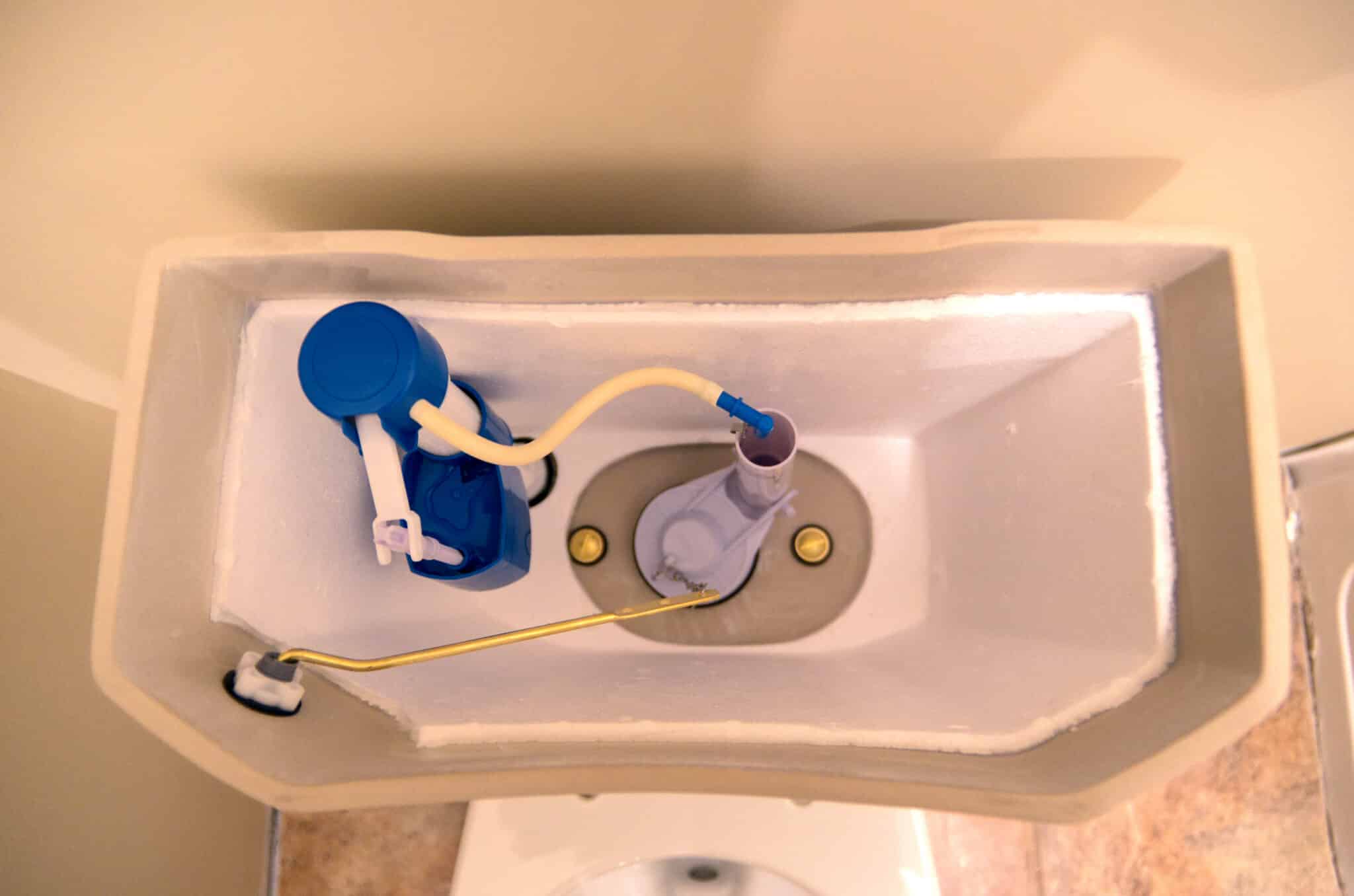
To grasp the importance of a toilet fill valve, it’s essential to understand its role in your bathroom’s plumbing system. This valve, hidden within the toilet tank, is responsible for refilling the tank after you flush. It works by opening to let water in and then shutting off once the correct level is reached. This mechanism ensures your toilet is ready for the next use, making it a key player in the overall functionality of your bathroom.
A malfunctioning toilet fill valve often leads to a running toilet, a problem familiar to many in Edmond. When the valve fails to close properly, water continues to flow into the tank, sometimes spilling over into the bowl. This not only wastes water but can also lead to increased utility bills. Identifying this issue early can prevent more significant problems down the road.
Adjusting the toilet fill valve is a task that homeowners in Yukon and beyond can typically handle on their own. The adjustment process usually involves turning a screw or sliding a clip on the valve, which changes the water level in the tank. It’s a simple fix that can make a big difference, ensuring that your toilet fills to the proper level without overflowing or running continuously.
If adjustments don’t solve the problem, replacing the toilet fill valve might be the next step. This process involves removing the old valve and installing a new one, a task that requires minimal tools and plumbing knowledge. With a new valve in place, residents in Oklahoma City can enjoy a quieter, more efficient toilet that doesn’t run unnecessarily, conserving water and saving money on their utility bills.

Common Signs of Toilet Fill Valve Failure
Recognizing the common signs of a toilet fill valve failure is crucial for timely intervention. One of the most obvious signs is a toilet that constantly runs, indicating the valve might not be closing properly. This issue not only leads to water wastage but also increases your monthly water bill. Homeowners in Edmond should be particularly vigilant, as ignoring this sign can lead to more severe plumbing problems.
Another telltale symptom is a noisy toilet tank, which often sounds like a hiss or a hum as the tank refills. This noise suggests that the toilet fill valve is struggling to function efficiently. Residents in Yukon experiencing this issue should consider inspecting their toilet fill valve for any visible damage or obstructions. Addressing this early can prevent the problem from escalating and ensure smooth operation.
A toilet that takes too long to fill is also a clear indicator of a malfunctioning toilet fill valve. This delay often results from a valve that is partially closed or blocked, restricting water flow into the tank. Such a scenario not only affects the efficiency of your toilet but can also be a source of frustration. Quick action to adjust or replace the valve can restore your toilet’s performance to its optimal state.
Lastly, if your toilet tank doesn’t fill to the correct level or overfills, the toilet fill valve could be at fault. An incorrectly adjusted or failing valve might not accurately gauge the water level, leading to these issues. This situation requires immediate attention to prevent potential water damage or further wastage. By being proactive, Oklahoma City homeowners can ensure their toilets remain in good working condition, avoiding unnecessary expenses and inconvenience.
Step-by-Step Guide to Adjusting Your Toilet Fill Valve
Adjusting your toilet fill valve is a straightforward process that can significantly improve your toilet’s efficiency. First, turn off the water supply to your toilet to prevent any water from flowing into the tank during the adjustment. This step is crucial for homeowners in Edmond, ensuring a safe environment to work in. With the water supply off, you’re ready to move on to the next step without any surprises.
Next, remove the toilet tank lid and locate the adjustment screw or clip on the fill valve. This part is often found on the side of the valve and can be adjusted with a simple twist or slide. For those in Yukon, this adjustment can make the difference between a toilet that runs constantly and one that operates smoothly. Make small adjustments, then check if the water stops at the correct level after flushing.
If the water level in the tank is too low or too high after your initial adjustment, further tweaking may be needed. Turn the adjustment screw clockwise to raise the water level or counterclockwise to lower it. This fine-tuning ensures that the toilet fills to just the right level, preventing both underfilling and overfilling. It’s a delicate balance that, once achieved, can restore your toilet’s functionality and efficiency.
Finally, once you’re satisfied with the water level, turn the water supply back on and give your toilet a test flush. Watch how the tank fills, ensuring it stops at the new water level mark. This last step confirms that your adjustments have been successful, offering peace of mind to homeowners in Oklahoma City. With your toilet fill valve correctly adjusted, you can now enjoy a properly functioning toilet and the savings that come with it.
Toilet Fill Valve Replacement: When and How
When it comes time to replace your toilet fill valve, the first step is to shut off the water supply to your toilet. This precaution prevents water from entering the tank while you work, a necessary measure for homeowners in Yukon aiming for a smooth process. Once the water is off, you’re set to proceed without the risk of flooding your bathroom. This initial action sets the stage for a successful valve replacement, ensuring everything goes according to plan.
Next, remove the old toilet fill valve by disconnecting the water supply line and unscrewing the valve from the tank’s base. Residents in Edmond will find this step straightforward, as it typically requires only basic tools like a wrench or pliers. Carefully lift out the old valve, making room for the new component. This removal process is critical for clearing the way for a new, more efficient fill valve.
Now, install the new toilet fill valve by reversing the removal process. Position the new valve in place, secure it at the tank’s base, and reconnect the water supply line. This step is crucial for ensuring the valve is properly aligned and firmly attached, preventing leaks and ensuring optimal performance. A correctly installed valve is key to a fully functional toilet, saving you from future issues.
Finally, turn the water supply back on and adjust the new toilet fill valve to get the correct water level in the tank. This adjustment ensures your toilet operates efficiently, preventing both overfilling and underfilling. Watching the water reach the desired level after a flush confirms the success of your installation. With a new valve in place, homeowners in Oklahoma City can enjoy the peace of mind that comes with a well-functioning toilet.
DIY Tips for Fixing a Constantly Running Toilet
If you’re dealing with a constantly running toilet, the problem might lie with the toilet fill valve. A quick DIY fix can often save the day, especially for homeowners in Edmond looking for an immediate solution. First, ensure that the valve is clean and free from debris, as dirt can impede its function. A simple rinse under running water can often remove any obstructions, improving its performance significantly.
In some cases, the issue may not be with the valve itself but with the float mechanism that controls it. Adjusting the float to ensure it’s at the correct height can stop the toilet from running. For those in Yukon, this might mean either screwing the float arm up or down, depending on whether the water level is too high or too low. This adjustment is a straightforward process that can make a big difference in how your toilet functions.
Another tip involves checking the seal inside the valve, as a worn-out seal can cause leaks that lead to constant running. Replacing the seal is a cost-effective fix that requires minimal effort and tools. It’s a step that can extend the life of your toilet fill valve, ensuring it operates smoothly and efficiently. This preventive measure can keep your toilet in top shape, avoiding the need for more extensive repairs.
Finally, if these adjustments and fixes don’t solve the problem, it might be time to consult a professional. While many toilet fill valve issues can be resolved through DIY efforts, some situations call for the expertise of a plumber. Residents of Oklahoma City should consider this option if their toilet continues to run despite their best efforts. A professional can offer a comprehensive assessment and repair that guarantees your toilet’s optimal performance.
The Importance of Regular Toilet Maintenance
Regular maintenance of your toilet’s fill valve is crucial for ensuring the longevity and efficiency of your bathroom’s plumbing system. Homeowners in Edmond understand that preventing issues is more cost-effective than addressing them after they’ve escalated. By keeping an eye on the fill valve and performing routine checks, you can avoid the inconvenience of a constantly running or inefficient toilet. This proactive approach not only saves water but also reduces the likelihood of unexpected repairs.
Cleaning the toilet fill valve and the surrounding area is a simple yet effective part of regular maintenance. Accumulated grime or mineral deposits can hinder the valve’s performance, leading to common toilet troubles. Residents in Yukon can easily incorporate this step into their cleaning routine, using a soft brush or cloth to gently remove any debris. This action ensures the fill valve operates smoothly, maintaining the proper flow of water into the tank.
Adjusting the fill valve periodically is another key aspect of maintenance. Over time, the water level in the toilet tank may need tweaking to keep it functioning optimally. A quick adjustment can prevent the tank from overfilling or not filling enough, both of which are symptoms of a fill valve in need of attention. Such adjustments are straightforward and can be done without the need for professional assistance, making it an ideal task for DIY enthusiasts.
Lastly, recognizing when it’s time to replace the toilet fill valve is an important part of regular maintenance. While adjustments and cleaning can extend the valve’s life, there comes a point when a replacement is necessary. This step ensures your toilet remains efficient and effective, safeguarding against leaks and water waste. For homeowners in Oklahoma City, staying ahead of maintenance tasks like valve replacement can contribute to a well-functioning home plumbing system, offering peace of mind and potential savings on water bills.
Toilet Fill Valve Troubleshooting: Expert Advice
When troubleshooting a toilet fill valve, the first step is to listen for unusual noises coming from the tank. These sounds often indicate that the valve is struggling to function properly. Homeowners in Edmond might hear a hissing or gurgling noise, which suggests air or debris is trapped inside. Addressing this early can prevent more significant issues down the line.
Another common issue is water leaking from the valve. This can be due to a worn-out seal or a crack in the valve itself. Residents in Yukon should inspect the valve for any visible signs of damage. If damage is found, replacing the seal or the entire valve might be necessary to stop the leak.
Sometimes, the problem lies with the valve not shutting off, causing the toilet to run continuously. This could be due to an improperly adjusted float or a malfunction within the valve mechanism. Adjusting the float to the correct height usually resolves this issue. However, if the valve still doesn’t close, it might need to be replaced.
Lastly, it’s essential to ensure that the toilet fill valve is compatible with your toilet model. Not all valves are universal, and choosing the wrong type can lead to poor performance or additional problems. By selecting the correct valve and following these troubleshooting tips, homeowners in Oklahoma City can efficiently resolve most toilet fill valve issues, ensuring their toilets function smoothly and efficiently.
Selecting the Right Toilet Fill Valve for Your Bathroom
Selecting the right toilet fill valve is crucial for the smooth operation of your toilet. Homeowners in Edmond know that not all valves are created equal, and choosing one that matches your toilet model ensures optimal performance. It’s important to check the manufacturer’s specifications before making a purchase. This step helps avoid the hassle of installing a valve that isn’t compatible, saving time and effort.
In Yukon, residents understand the value of considering the valve’s features, such as adjustability and water-saving capabilities. A valve that allows for easy adjustment can help maintain the correct water level in the tank, preventing overflows or underfilling. Some models are designed to save water, which not only benefits the environment but also reduces utility bills. Investing in a valve with these features can lead to long-term savings and efficiency.
The installation process is another factor to consider when choosing a toilet fill valve. Some valves come with easy-to-follow instructions and can be installed without professional help, appealing to DIY enthusiasts in Oklahoma City. However, it’s essential to have basic plumbing tools and a bit of know-how. Opting for a valve that requires minimal tools for installation can make the process smoother and quicker.
Lastly, durability and reliability are key when selecting a toilet fill valve. A high-quality valve can withstand the rigors of daily use, ensuring your toilet operates efficiently for years to come. Reading reviews and seeking recommendations can guide you to a valve known for its longevity and performance. Making an informed decision helps avoid frequent replacements, offering peace of mind and consistent functionality.
Frequently Asked Questions
Why is my toilet not filling up?
When your toilet isn’t filling up, the issue often lies with the toilet fill valve. This valve controls water flow into the tank after flushing. If it’s faulty or blocked, water can’t enter the tank properly. Checking and cleaning the valve can often resolve this problem quickly.
How to clean a toilet fill valve?
To clean a toilet fill valve, first, turn off the water supply to prevent any mishaps. Gently remove the valve cap, taking care not to damage any parts. Use a small brush or cloth to clear away debris and buildup inside the valve. Finally, reassemble the valve and turn the water back on to check if the issue is resolved.
What causes a fill valve to leak?
A fill valve leaks when its parts wear out or get damaged. Over time, minerals from hard water can build up, blocking the valve. Loose connections or a cracked valve body also lead to leaks. Regular checks and maintenance can prevent these issues, keeping your toilet running smoothly.
Can a toilet fill valve affect flushing?
Yes, a toilet fill valve plays a crucial role in the flushing process. If it’s malfunctioning, your toilet may not flush properly. This is because the valve controls the water flow into the tank, which is necessary for a strong flush. Keeping the valve in good condition ensures your toilet flushes efficiently every time.
When should I replace my toilet fill valve?
You should replace your toilet fill valve if it continues to malfunction despite cleaning and adjusting. Signs like constant running, weak flushing, or unusual noises often indicate it’s time for a new valve. A new fill valve ensures your toilet operates efficiently and saves water. Contacting a professional, like Benjamin Franklin Plumbing, guarantees a proper and swift replacement.