




Key Takeaways About Sump Pump Check Valve
A sump pump check valve stops water from flowing back into the pit and controls how the discharge line behaves at shutoff. This guide helps homeowners and property managers when noisy pipes short cycle or cause water hammer.
- Identify valve arrow direction relative to pump discharge flow.
- Prevent backflow by choosing a valve style matched to flow.
- Avoid placing the valve where a large standing column forms.
- Spot loose unions or misalignment during visual inspections.
- Reduce water hammer by adjusting vertical placement and supports.
- Plan for accessible unions and service risers for easy maintenance.
Introduction
When a sump pump cycles rapidly or a loud bang echoes down the discharge pipe, the check valve is often the culprit. Homeowners notice short cycling, frequent motor starts, or sudden water hammer that can stress the pump and piping. Choosing the right sump pump check valve affects how the pump shuts off and how the column of water behaves in the outlet. Fixing valve selection and placement reduces wear and limits noisy pressure spikes.
Check valve style and arrow orientation control flow direction and sealing behavior when the pump stops. A mismatched valve can trap water above the pump or allow reverse flow that restarts the unit too soon. Unions or service fittings let a technician remove the pump without cutting pipe during inspections or repairs. Proper service access saves time and limits disturbance to the system.
Vertical placement of the check valve changes how much water sits in the discharge line between cycles and how gravity assists closure. Too close to the pump can create a larger standing column that pushes back into the impeller. Too high can make the valve harder to reach and may increase vibration in the line. Placement decisions affect how quickly pressure equalizes and how often the pump must run.
Homeowners in Moore, OK commonly report noisy discharge lines and shortened pump life as symptoms. A professional will inspect the valve type, arrow direction, union locations, and vertical position to diagnose repeated cycling and hammer. Observing sound, cycle timing, and visible leaks gives clear clues for the next steps. If those symptoms appear, contact a licensed plumber in Oklahoma City, OK to evaluate the system safely.
How Sump Pump Check Valve Works And Why It Matters
A sump pump check valve stops water from flowing back into the pit when the pump stops.
- It prevents reverse flow into the sump basin.
- It reduces how often the pump restarts.
- It limits the column of water in the discharge pipe.
- It helps reduce water hammer when the valve closes.
The valve sits in the discharge line and opens only when the pump moves water away from the basin. Homeowners often ask whether a check valve can cause the pump to short cycle, and the answer is yes when the valve traps or leaks. Technicians verify this by observing cycle timing and watching the discharge line during operation. A simple visual check while the pump runs can reveal flow reversal or a slow closing flap.
Properly sized and installed check valves reduce the standing water column and absorb shock when closing. Diagnosing issues includes listening for a quick bang at shutoff and timing runs with a stopwatch or phone. A pro will inspect the valve body, arrow direction, unions, and vertical placement to confirm the problem. For routine seasonal checks and to prepare for cold weather, see the recommended checklist in our winter sump pump inspection.
When the valve sticks open, water returns and makes the pump restart almost immediately after stopping. In a common situation, a homeowner notices rapid on-off cycles and wet floors, and the technician checks the check valve and coupling. Professionals also look for loose unions or misaligned arrow orientation that allow reverse flow.
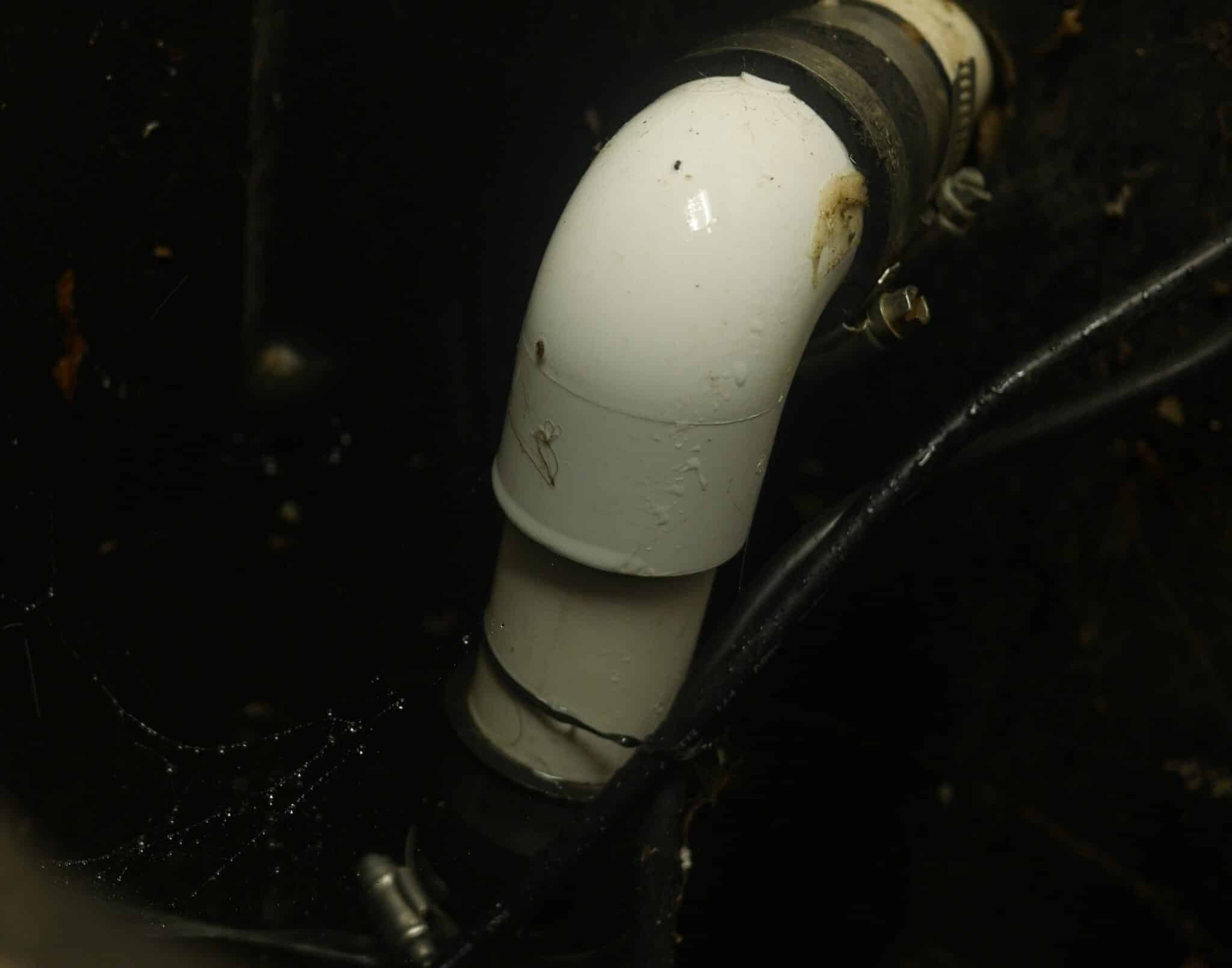
Photo from iStock – Credit: Joseph Kelly
Common Causes Of Check Valve Failure And Short Cycling
Worn or corroded seals commonly cause a sump pump check valve to leak slowly, allowing backflow that triggers rapid restarts. Debris such as grit, rust flakes, or small stones can jam flappers or swing plates so they do not seat fully. Poorly matched valve size creates turbulence and partial closure that wears components faster than normal. A professional will inspect the valve body and seat for visible wear and flush the line if debris is suspected.
Incorrect orientation or a loosely tightened union can make the valve behave like it is failing even when parts look intact. Vibration from a misaligned or unsupported discharge pipe can loosen connections over time and change the valve alignment. Thermal cycling and freeze-thaw in exposed piping create shifts that affect how the valve seals at shutoff. A technician will check the arrow direction, hand-tighten unions, and verify alignment during a diagnostic run.
Air trapped in the discharge line or an oversized standing water column increases the chance of short cycling and water hammer when the pump stops. Long vertical columns of water store more kinetic energy that the valve must arrest, producing louder pressure spikes. A pro will measure run time, count cycles, and inspect vertical placement to determine whether the column height contributes to rapid cycling. These observations guide whether repositioning or changing valve style will reduce cycling.
Some valve styles are more prone to sticking under low-flow conditions or when flow reverses briefly during startup and shutdown. Spring-assisted check valves seal faster than gravity types but can fail if springs corrode or fatigue with repeated cycles. During a service visit, a technician will run the pump while observing the discharge line, listen for delayed closure, and test valve operation under load. For homeowners who prefer professional inspection and repair options, consider scheduling one of our sump pump services to confirm diagnosis and fix failures.
Signs To Watch For Water Hammer And Rapid Cycling
Listen for a sharp knock in the discharge line right as the pump stops, that sound often signals a fast-closing valve causing pressure surge. Noticeable vibration through the pipe or fast rattling at shutoff also points to sudden momentum change in the water column. If the pump cycles several times within a few minutes, the valve may allow backflow that triggers rapid restarts. Documenting the time between starts helps a pro quantify short cycling during a diagnostics visit.
Watch for a specific timing pattern: very short runs under 30 seconds often indicate trapped water or an oversized discharge column. A slow close that lets a small reverse flow before sealing produces multiple starts within a single storm event. Visible wetness or small leaks at unions near the valve can coincide with rapid cycling and show where pressure spikes stress fittings. A technician will timed-run the pump and inspect those joints during a follow-up check.
Hissing or gurgling in the sump basin after pump shutoff suggests air moving past a partially sealing check valve and may precede a knock in the pipe. In some cases a valve that sticks open for a moment during shutdown allows water to slip back and restart the motor quickly. Homeowners should note whether sounds change with successive cycles, which helps a pro decide if the valve or vertical placement is the main issue. Recording short videos of the noise and cycle timing gives clear evidence for diagnosis.
Excessive motor starts shorten pump life and can trip breakers or cause overheating, count cycles per hour to measure severity. A professional diagnosing the problem will run the pump while watching the discharge, feeling pipe vibration, and testing valve closure under flow. They may add a pressure arrestor or reposition the valve and use a quick-release union for easier service while verifying reduced cycling.
Choosing The Right Sump Pump Check Valve Type
Pick a valve style that matches the pump flow rate and the discharge pipe size to avoid excess turbulence. Swing, ball, and spring-assisted styles behave differently under low flow and stop conditions, so match the valve to your pump’s typical run duration. Look for materials resistant to corrosion and debris when the line may carry grit. Review general valve options and differences before buying by checking a plumbing valve guide.
- Swing check valves are simple and low cost.
- Spring-assisted check valves close faster under reverse flow.
- Ball check valves handle debris better in some cases.
- Lift-type valves require more clearance and support.
Consider spring-assisted valves when short runs create small reverse flows that restart the pump quickly. These valves use a spring to close promptly and limit reverse movement of the water column. However, springs can corrode or fatigue in harsh conditions so monitor performance. A professional will weigh faster closure against durability when recommending a style for your installation.
Ensure the valve body size matches the pump discharge and that internal clearances do not trap debris or allow sluggish movement. Choose a valve with a removable cover or a union nearby for service access during inspections. Technicians often look for clean access so they can inspect seals and seats without cutting pipe.
Proper Arrow Orientation And Flow Direction Guidelines
Install the check valve so the arrow points in the same direction water leaves the pump, toward the discharge outlet. Confirm arrow orientation by tracing flow from the pump volute through the union and toward the external pipe. A misoriented valve can create reverse flow that a homeowner may notice as immediate restart or gurgling. During a visual check, also ensure the valve body alignment does not twist the union or stress pipe joints.
Position the valve with accessible unions on the discharge side so a technician can remove the valve without cutting pipe. Place the union within reach and before any tight bends to allow quick removal and inspection of the internal seat and seal. If a valve sits behind a fixed elbow, a pro may need to loosen hangers or cut to service it, increasing labor and time. Homeowners in Oklahoma City should confirm unions are hand-tightened and leak-free during annual checks.
Orient the check valve so the closure mechanism faces downward when practical to reduce debris accumulation on the seat. Downward-facing flaps or balls shed grit more readily and reduce sticking risk compared with upward-facing seats. Avoid installing the valve at a steep upward angle that might hold sediment at the seal and cause intermittent leaks. In a common situation, a homeowner finds rust flakes at the union and a technician inspects orientation and cleans the seat during service.
Provide a short supported run of pipe between the pump and the valve to prevent vibration from distorting the valve body during operation. Proper hanger spacing near the valve stabilizes the line so the closure occurs smoothly and reduces water hammer. For guidance on hanger placement and spacing near valves, review our resource about pipe hanger spacing and quiet safe installations. Property managers in Moore often combine valve checks with hanger inspections to limit recurring noise and premature component wear.
Placement Height And Vertical Spacing To Reduce Cycling
Place the check valve at a height that keeps the standing water column small while still allowing gravity to close the valve reliably. Aim for a few inches of vertical drop between the pump outlet and the downstream pipe to help the valve seat without letting too much water sit above it. A valve set too low can submerge the closure in a large water column that increases reverse pressure on the impeller. Measure the vertical column during a run to estimate how much water remains after shutoff.
Provide at least one vertical foot of straight pipe above the valve when using spring-assisted types to allow the spring to compress and the disk to seat smoothly. This clearance helps the closure element avoid rubbing against fittings or hangers during each cycle and reduces wear. Confirm there is room for a union or removable coupling within reach to permit quick inspection. Use a short service riser if the valve would otherwise sit behind an elbow or inaccessible tee.
Install a short vertical riser between the pump and valve when the discharge run drops immediately into an angled or horizontal line to limit trapped water volume. That riser reduces the effective column that moves during shutoff and lowers the energy the valve must absorb. During inspection, a technician will feel pipe movement and may recommend adjusting the riser height to tune cycle behavior. For DIY changes, review push-fit guidance before altering fittings to avoid leaks and improper sealing.
Support the pipe above and below the valve to prevent sag and movement that causes premature cycling and noise during shutoff. Hangers should hold the valve steady so closure happens without the body rotating or twisting under load. A pro will check run times, listen for knocks, and measure vibration at different riser heights to confirm the new placement reduced cycling.
Using Unions And Service Connections For Easy Maintenance
Place unions or quick-release service connections on the discharge side of the valve so the pump can be removed without cutting pipe. Position the union within easy reach and above the sump cover when possible to speed maintenance. A technician will still check for trapped water before disconnecting to avoid spills. For complex ejector or sewage setups, professionals follow extra precautions during removal.
- Use a full-size union near the pump.
- Install a second union above long risers.
- Add a threaded cleanout for flushing debris.
- Choose PVC or brass compatible with the pipe material.
If vibration loosens unions, add a short double-nut or thread-locking approach approved for plumbing to prevent leaks. Support the pipe so unions do not bear weight during service. A pro will verify union seals and replace worn gaskets while the pump is out. Property owners should note loose fittings during Oklahoma seasonal checks.
Include a small vented drain or accessible hose connection to capture residual water when the union opens. This prevents water from spilling into the pit or onto the floor during pump removal. A technician will use that drain to confirm the standing column height and inspect the check valve internally.
When To Call A Professional For Sump Pump Check Valve
If you hear persistent knocks, frequent starts, or see leaks near unions despite correct orientation, call a professional for diagnosis. A trained plumber will inspect valve internals, timing, and pipe support while the pump runs to confirm causes. They will also check nearby pipe integrity and may recommend repair or replacement where corrosion or cracks appear. For significant pipe damage a technician can coordinate a replacement and repairs like those in our pipe repair and replacement service.
When service access is awkward or the check valve sits behind multiple fittings, schedule a pro to avoid mistakes and spills during removal. Professionals use controlled depressurization and proper tools to prevent damage to unions, threads, and the sump liner. They can also test spring tension or seat sealing under real flow conditions to confirm the correct valve style. If electrical issues or repeated thermal cycling appear, the technician will examine the float switch and wiring as part of the check.
Call for help if short cycling causes frequent breaker trips, motor overheating, or visible motor wear signs, these raise the risk of failure. A pro will measure run times, count cycles per hour, and record voltage to determine whether the pump suffers electrical stress. They may perform a dye test or run diagnostic checks to find subtle reverse flow or valve bounce that you cannot see. If sediment or corrosion prevents reliable sealing, the technician will suggest durable replacements and installation adjustments.
Property managers and homeowners in Oklahoma City and Moore, OK should contact a licensed plumber if DIY checks do not stop the problem within one service visit. Professionals provide a written inspection report detailing observed symptoms, tests performed, and recommended repairs for record keeping. They will also install unions or service risers correctly to simplify future maintenance and reduce the chance of recurring water hammer. If safety concerns arise during inspection, the plumber will pause work and explain next steps before proceeding.

Frequently Asked Questions
How does a sump pump check valve arrow need to point?
The arrow on a sump pump check valve must point away from the pump and toward the discharge outlet to allow proper flow.
Installed correctly, the valve prevents backflow into the sump basin and reduces pump cycling.
If you see the arrow pointing toward the pump, turn power off and call a professional to avoid water damage.
A pro will verify arrow orientation, inspect the union or vertical placement, and test for short cycling or water hammer.
Which check valve style best reduces short cycling?
A heavy-duty spring-loaded or flapper check valve with a short, stable chamber usually reduces short cycling by minimizing backflow. Spring check valves close quickly and firmly, preventing water from returning and reducing pump restart frequency. Install the valve with the arrow pointing away from the sump and add a union for service access near the pump. If you hear loud banging or suspect water hammer, stop use and contact a professional plumber for inspection and repair.
Where should unions be placed for easy pump service?
Place unions on the discharge pipe both above the sump pump and immediately downstream of the check valve for quick removal. Position the upstream union just above the pump adapter so the pump lifts straight out without disturbing the pipe. Put the downstream union after any vertical rise or elbow so you can isolate the line for service. Use caution when loosening unions under pressure and call a professional if you are unsure or encounter leaks.
What vertical distance limits the standing water column?
The standing water column above a check valve is limited by the vertical rise from the pump discharge to the check valve location. A practical guideline keeps the check valve within 2 to 4 feet above the pump outlet to limit retained volume. Excessive vertical distance increases water volume and the chance of short cycling and water hammer, so avoid long upward runs. If you suspect dangerous pressure or frequent cycling, stop and contact a professional plumber for inspection and correction.
How can valve placement lower water hammer noise?
Place the sump pump check valve several pipe diameters away from the pump discharge to give water room to slow before closing. Mount the valve vertically above a short horizontal run to prevent trapped air pockets that cause banging. Install a union or access fitting near the valve so a pro can inspect or replace it without disturbing the pump. If loud hammer persists, caution: call a licensed plumber to diagnose pressure surges and correct piping or valve sizing safely.